Storm damaged tree removal in Lewisham
When high winds, heavy rain, or an unexpected storm leaves a tree leaning, split, or partially uprooted, fast action matters. Storm damaged tree removal in Lewisham is often about more than tidying up a garden: it can be the difference between a safe property and a serious hazard. Fallen limbs can block driveways, damage roofs and fences, bring down cables, or make footpaths unsafe for neighbours, tenants, and customers. If you need a local team that understands how to deal with urgent tree problems across Lewisham, this service page explains what to expect, what is included, and why a prompt response can save time, stress, and further damage.
Lewisham has a mix of housing types, from Victorian terraces and converted flats to newer developments, schools, shops, and community buildings. That means tree work often needs careful planning, especially where access is tight, parking is limited, or branches are overhanging neighbouring land. A local approach is important because storm damage rarely happens in an easy, open space. In many cases, the safest solution is professional tree removal carried out with the right equipment, controlled methods, and an understanding of local conditions.
Whether you are a homeowner dealing with a cracked trunk after a windy night, a landlord trying to protect a rental property, or a business owner needing the site cleared quickly, the aim is straightforward: remove danger, protect the surrounding area, and leave the site as tidy as possible. Book your service now if the tree is unstable, or contact us today for a prompt assessment and clear next steps.
Why storm damaged trees need urgent attention

Storm damage can weaken a tree in ways that are not always obvious from the ground. A trunk might look upright, but internal splitting can make it unstable. A large branch may be hanging by a strip of bark, or the root plate may have lifted on one side, creating a risk that the tree could fall without warning. In Lewisham, where gardens, shared access routes, and front forecourts are often close to homes and boundary lines, even a partially damaged tree can become a serious concern quickly.
Safety is the main reason to act quickly. Storm damaged tree removal in Lewisham is commonly requested after strong winds have caused one or more of the following problems:
- the tree is leaning more than usual
- large limbs are cracked or partly detached
- the crown has split or collapsed
- roots have lifted and the tree appears unstable
- branches are resting on roofs, sheds, garages, or outbuildings
- fallen timber is blocking access for residents, staff, or vehicles
There is also the risk of secondary damage. A damaged tree can continue to shed branches in later gusts, especially if the timber has been compromised by decay, disease, or waterlogged soil. If the tree is near a pavement, boundary wall, parked cars, or neighbouring properties, the issue can quickly affect more than one household. Acting early is often safer and simpler than waiting for the situation to worsen.
Storm damaged tree removal in Lewisham: what the service includes
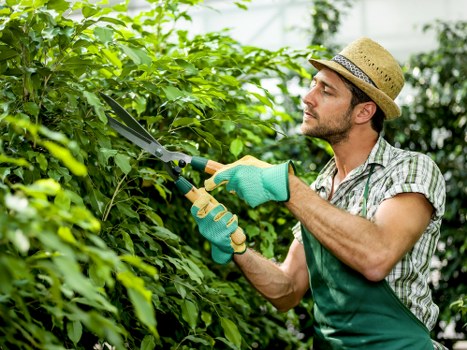
A proper tree removal service after storm damage is more than just cutting wood down. It usually starts with a visual assessment of the tree, the surrounding space, and any immediate risks. The goal is to decide whether the tree can be made safe through sectional dismantling, whether hazardous branches should be removed first, or whether full removal is the best option.
Typical service elements may include:
- initial site assessment and hazard identification
- controlled removal of dangerous limbs
- sectional dismantling of unstable or fallen trees
- careful lowering of timber to reduce impact damage
- removal of trunk sections, brash, and debris
- clearing of access paths, driveways, and affected garden areas
- basic tidying so the space is left safe and usable
In some cases, the tree may be so compromised that it has to come down in stages. In others, only part of the canopy needs to be removed to eliminate an immediate danger. A professional team will judge the best approach based on the condition of the tree, the weather, access, and what is around it. Every property is different, especially in areas like Catford, Brockley, Hither Green, Forest Hill, and New Cross where plots can be compact and neighbours close by.
If there is an urgent risk, the service may prioritise making the area safe first, then complete full removal once the site is stabilised. That practical approach is often the most sensible way to handle storm damaged tree removal in Lewisham for both domestic and commercial customers.
Common storm damage situations we see locally

Storms do not affect every tree in the same way. Different species, soil conditions, and exposure to wind all play a part. On Lewisham streets and in local gardens, the most common situations tend to involve trees that have been weakened over time and then pushed beyond their limit by sudden weather changes.
Examples include:
- Split stems where the trunk or main fork has cracked under pressure.
- Uprooted trees where the roots have lifted from soaked soil after heavy rain and wind.
- Hanging branches that are still attached but at risk of falling.
- Fallen trees that are blocking gardens, footpaths, car parks, or driveways.
- Roof or fence impact where a large limb has broken away and caused structural damage.
Not every damaged tree needs immediate full removal, but it should always be checked properly. A tree with a split trunk or substantial lean may still stand for a short time, yet remain unsafe in a stronger gust. A local tree care team can help decide whether pruning, bracing, or full removal is the safest route. In many cases, if the tree is too unstable to retain, removal is the most reliable way to reduce the risk.
It is also common for storm damage to reveal other issues that were previously hidden, such as decay in the lower stem, deadwood in the canopy, or root disturbance from nearby building work. That is another reason why a careful assessment is useful before any cutting begins.
Why local knowledge matters in Lewisham
Choosing a local team for storm damaged tree removal in Lewisham brings practical benefits that matter on the day. Local knowledge helps with access planning, road conditions, and the realities of working in busy residential streets. In many parts of Lewisham, parking can be limited, access lanes can be narrow, and garden entrances may be through side passages or shared routes. Those details affect how safely a damaged tree can be removed.
Local property types also vary widely. A terrace with a small rear garden may need manual dismantling and careful timber handling. A block of flats might require work around communal entrances, bin stores, or shared parking. Shops, cafés, offices, schools, and care settings often need swift clearance with minimal disruption to day-to-day activity. A nearby team is more likely to plan realistically for these conditions.
Being local also helps in genuine storm situations. When weather has affected multiple streets at once, people need a response that understands the area and can adapt quickly. For customers in Lewisham, that may mean working around school runs, busy high streets, permit parking, or restricted loading areas. It can also mean coordinating carefully with neighbours if the tree sits close to a boundary or shared wall.
From Blackheath borders to Honor Oak, Sydenham, Ladywell, and Grove Park, local experience supports smoother work and fewer surprises. That is especially valuable when the tree is unsafe and the priority is to clear the hazard without creating new problems.
How the removal process usually works
Step 1: Initial assessment
The first step is to check the tree’s condition and the immediate environment. This includes looking at the lean, trunk splits, broken limbs, root movement, and anything nearby that could be affected by the work. If the tree is touching a building, fence, or cable, extra care is needed.
Step 2: Planning the safest method
Once the risks are clear, the team decides whether the tree can be dismantled in sections, whether the canopy should be reduced first, or whether a more direct removal is appropriate. Planning also takes account of access routes, working space, and where the timber will be carried or lowered.
Step 3: Controlled tree removal
Using the right equipment and technique, the tree is removed in a way that limits impact on the surrounding area. This may involve lowering branches piece by piece, cutting sections from the top down, or removing fallen timber in manageable loads. Controlled dismantling is especially important where a tree is close to windows, conservatories, sheds, or neighbouring gardens.
Step 4: Clearing and tidy-up
After the hazardous material has been removed, the site is cleared of branches, trunk sections, and debris. The aim is to leave the area safe and as tidy as practical, so you can get back to normal as soon as possible.
Optional follow-up considerations
Depending on the situation, customers sometimes also ask about stump grinding, replanting, or advice on whether nearby trees should be inspected after the storm. These can be discussed alongside the main removal work if needed.
Residential tree removal after storm damage
For homeowners, storm damage is often stressful because the tree may be close to the house, over a conservatory, or hanging into a neighbour’s space. In Lewisham, many gardens are compact and enclosed, which makes emergency tree work more sensitive. The service needs to protect fences, sheds, paths, and planting beds while also removing the danger efficiently.
Homeowners often request help when:
- a tree has fallen across the garden after a storm
- a large branch is hanging above a patio or rear extension
- the front garden tree has lifted from wet ground
- there is damage close to a shared alley or side return
- the tree is unstable enough that children, visitors, or pets should avoid the area
A calm, practical service can make a huge difference. Instead of trying to deal with broken timber yourself, a local team can handle the dangerous parts safely. That is particularly important where ladders, chainsaws, and unstable wood are involved. In storm conditions, DIY removal can be risky, especially if the tree is moving in the wind or partially supported by nearby structures.
If you are a homeowner in Lewisham and you are unsure whether the tree is safe, it is usually better to arrange an inspection and request a quote sooner rather than later. Contact us today if you need an urgent assessment or would like the site made safe.
Commercial storm damaged tree removal for Lewisham businesses
Businesses, landlords, schools, and managing agents often need storm damaged tree removal in Lewisham to happen with minimal disruption. A fallen branch outside a shop can affect customer access. A tree blocking a car park can interrupt operations. On a managed estate or commercial site, unsafe timber can create liability concerns and inconvenience for staff, tenants, and visitors.
Commercial customers commonly need help with:
- car parks and service yards
- school grounds and play areas
- communal gardens on estates
- access routes for residents and deliveries
- tree hazards near entrances, walkways, and bin stores
Working on commercial sites often requires a tidy, organised approach. The team may need to manage pedestrian safety, keep access open where possible, and work around opening hours or site rules. In places such as Lewisham town centre, Deptford edges, and areas around busy transport routes, a fast but careful response can be particularly valuable.
For commercial sites, clear communication and sensible planning matter as much as physical tree work. You want the hazard removed, the area made safe, and the disruption kept low. That is why many businesses prefer a local service that understands the pressures of operating in a built-up South East London environment.
What affects the price of storm damaged tree removal?
Every storm damage job is different, so pricing depends on several practical factors rather than a one-size-fits-all rate. Customers often want to know what affects the quote before they book. The most common factors include:
- Tree size and height – larger trees usually require more time, equipment, and labour.
- Level of damage – a simple broken limb is different from a full uprooted tree.
- Access – narrow side passages, locked gates, or restricted parking can make the job more involved.
- Surrounding hazards – buildings, cables, greenhouses, fences, and neighbouring property increase complexity.
- Urgency – emergency callouts or same-day work may affect scheduling and cost.
- Disposal needs – the amount of timber and debris to be removed can influence the overall job.
It is helpful to be clear when requesting a quote. If possible, describe whether the tree is standing, leaning, or already on the ground, and mention any visible damage to roofs, fences, or garden structures. Photos can sometimes help a team understand the scale of the work before attending, although an on-site visit may still be needed for accuracy.
Request a free quote if you need a straightforward estimate for a storm-damaged tree in Lewisham. A proper assessment should take the site conditions into account and explain what is included, so there are fewer surprises later.
How to prepare before the team arrives

If the tree is unsafe, do not go near it more than necessary. Your first job is to keep yourself and others away from the danger zone. After that, a few simple preparations can help the work go more smoothly when the team arrives.
Preparation checklist
- Keep children, pets, and visitors away from the affected area.
- Do not attempt to cut unstable branches yourself.
- Move vehicles if it is safe to do so and if the tree is not blocking access.
- Let neighbours know if the tree may affect a shared boundary or entrance.
- Clear small items from patios or paths if they are safely reachable.
- Provide any information about previous tree issues, recent movement, or structural damage.
If the tree is close to a building or power supply, keep clear until it has been properly checked. A tree that appears to be resting safely can still shift. Wet weather, gusts, and hidden splits can all make the situation worse without warning.
For homes in Lewisham with tight side access or rear-garden-only entry, it can also help to unlock gates and ensure the route is clear of bins, bikes, and garden furniture. Small steps like that can save time once work begins, particularly when branches or trunk sections need to be carried out in a controlled way.
Why a local company is often the better choice
Choosing a local company for storm damaged tree removal in Lewisham can offer practical advantages beyond convenience. When a tree is hazardous, you want someone who can get to the site efficiently, understand the local street layout, and work with the realities of South East London properties.
Local teams are often better placed to respond to urgent situations because they already know the area’s access challenges, typical garden layouts, and traffic conditions. That can make planning simpler, especially if the tree is in a narrow road, on a busy corner, or near a communal access point.
There is also value in working with people who regularly handle domestic and commercial tree problems in the same neighbourhoods you live or work in. The conditions around Lewisham are varied, and the best response is one that fits the site, not a generic approach copied from somewhere else.
Whether the job is in Ladywell, Sydenham, Forest Hill, Brockley, New Cross, Catford, or close to the borough’s busier routes, a local service can often adapt more smoothly to parking limits, access restrictions, and neighbour considerations. That is important when a damaged tree needs to be removed safely and with minimal disruption.
Areas covered across and around Lewisham
Storm damaged tree removal is often needed across a wide area, not just in one part of the borough. Customers may be in a dense residential street, a mixed-use parade, or a larger property with mature trees. The service can be relevant for many local neighbourhoods, including:
- Lewisham
- Catford
- Brockley
- Hither Green
- Ladywell
- Forest Hill
- Sydenham
- Honor Oak
- New Cross
- Deptford
- Blackheath borders
- Grove Park
Because storm damage can happen anywhere, response needs can vary from a straightforward fallen branch clearance to a more complex sectional dismantling near a property line. The important thing is not the postcode alone, but the nature of the damage, the access available, and the urgency of the risk. If you are unsure whether your area is covered, a local enquiry can usually confirm that quickly.
FAQs about storm damaged tree removal in Lewisham
Do I need the whole tree removed?
Not always. Sometimes only the dangerous limbs need to be removed, or the crown can be reduced to make the tree safe. If the trunk is split, the roots are lifted, or the tree is leaning heavily, full removal may be the safest option.
How quickly should I act after a storm?
If the tree is close to falling, blocking access, or touching a building, it should be assessed as soon as possible. Even if it looks stable, storm-damaged timber can fail later, especially if more bad weather is expected.
Can you remove a tree from a tight rear garden?
Yes, many Lewisham properties have limited access, and tree work can often still be carried out carefully through side passages or narrow paths. The method used depends on the space available and the condition of the tree.
What if the tree has fallen onto my neighbour’s side?
It is still worth arranging an assessment quickly. A boundary issue does not remove the hazard. The safest response is to make the tree safe and then discuss next steps with the relevant property owners or managers if needed.
Can you help with commercial or communal sites?
Yes. Many storm damage jobs involve shared gardens, estates, schools, shops, or business premises. These sites often need careful planning around access, foot traffic, and opening times.
Will the area be cleared after the removal?
Most customers want the site left tidy and usable, and that is normally part of the service. The exact level of clearing depends on the work needed, but debris, branches, and removed timber are typically dealt with as part of the job.
When should I call for help rather than wait?
If the tree is unstable, has damaged a structure, is blocking access, or is likely to worsen in another storm, it is best not to delay. Contact us today if you need storm damaged tree removal in Lewisham and want practical advice on the safest next step.
Ready to arrange storm damaged tree removal in Lewisham?
If a storm has left you with a dangerous tree, hanging branches, or a fallen trunk, the safest next step is to have it assessed and removed properly. Storm damaged tree removal in Lewisham needs a local, careful approach that takes account of access, neighbouring properties, and the condition of the tree itself. Whether you need urgent clearance at a home, a rental property, a business, or a shared site, the priority is the same: reduce the danger and get the area back under control.
Contact us today to request a free quote, discuss the damage, and arrange the work you need. If the tree is causing a hazard, do not leave it until the next storm makes it worse. Book your service now and take the first step toward a safer property.